The development of a garden tiger moth in 22 pictures

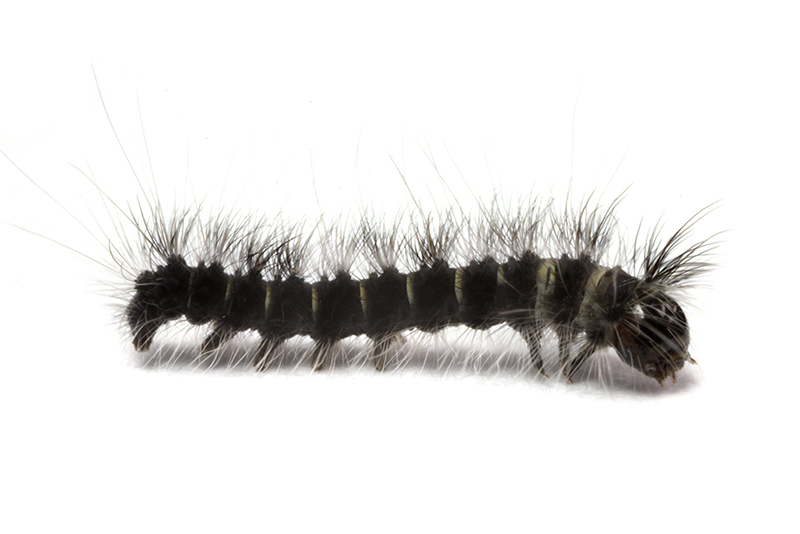
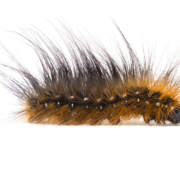
The last couple of weeks, I’ve been documenting the growth and development of the Garden tiger moth. Because I want to include the entire caterpillar stage and it’s impossible to accurately predict how long this will take, I have to take into account multiple scenarios. In this case, I planned a photo session every other day, just to be sure I had the photos I needed. If the caterpillar stage lasts for 6 weeks, as was the case with this species, I have a lot of photos and I only need 8 of them for the final series. I thought it was a shame not to use so many other ones, so I decided to turn them into an animation. Read more
The 23 of 2020

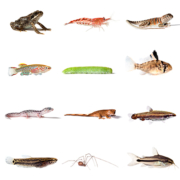
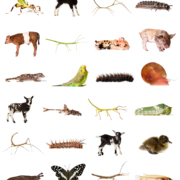
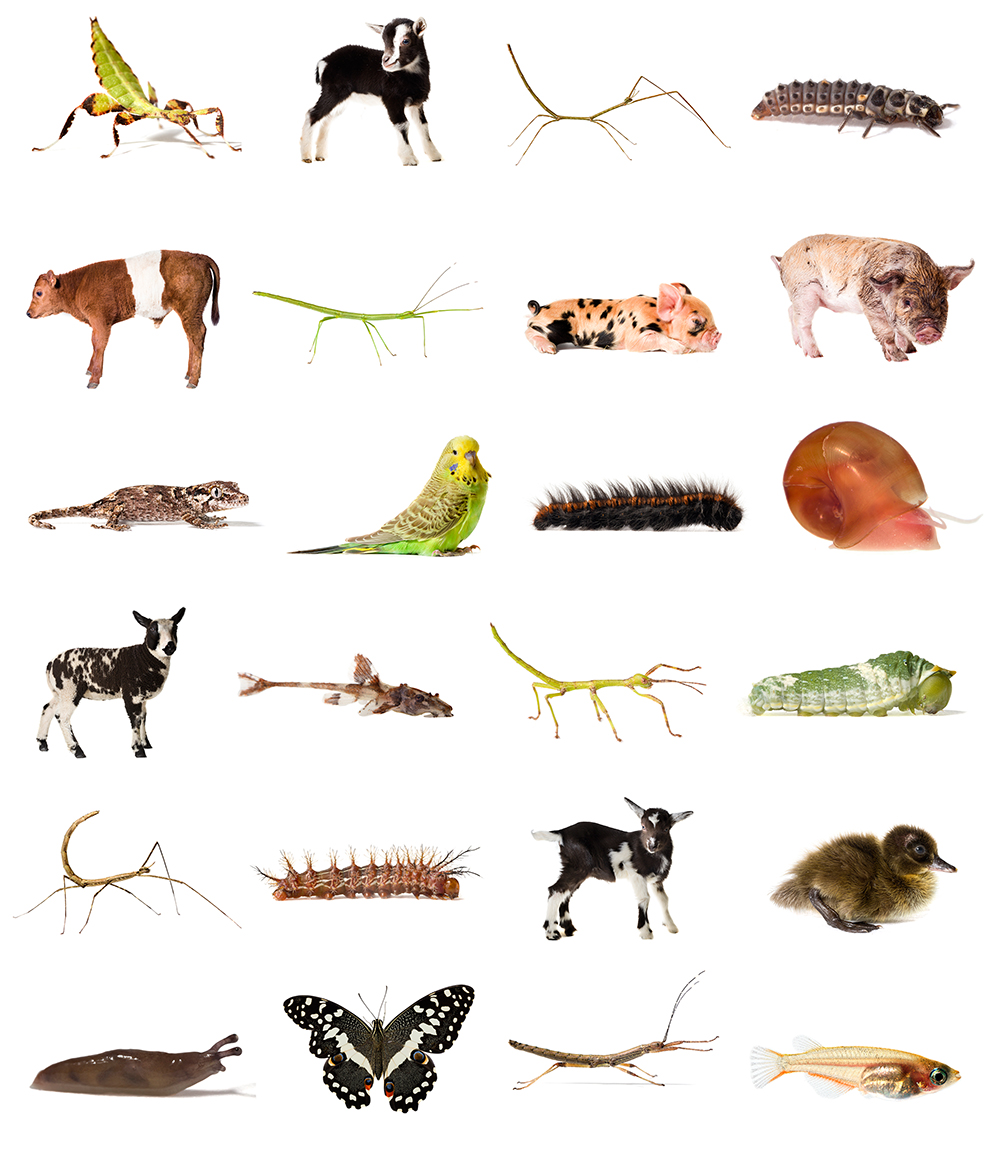
The last day of 2020 is a good moment to look back at the last year and all the species I could add to my project. Because of the situation with the coronavirus, it has been a very difficult year for photographers, and this was also the case for me. But fortunately, this also had a positive effect; especially during the first lockdown in the spring, I didn’t have to reserve time for commercial work, because there wasn’t any, so I could work full-time on my project. This led to the most series I’ve ever done in one year, 23 different species or breeds. Read more

Mysterious eggs from my garden

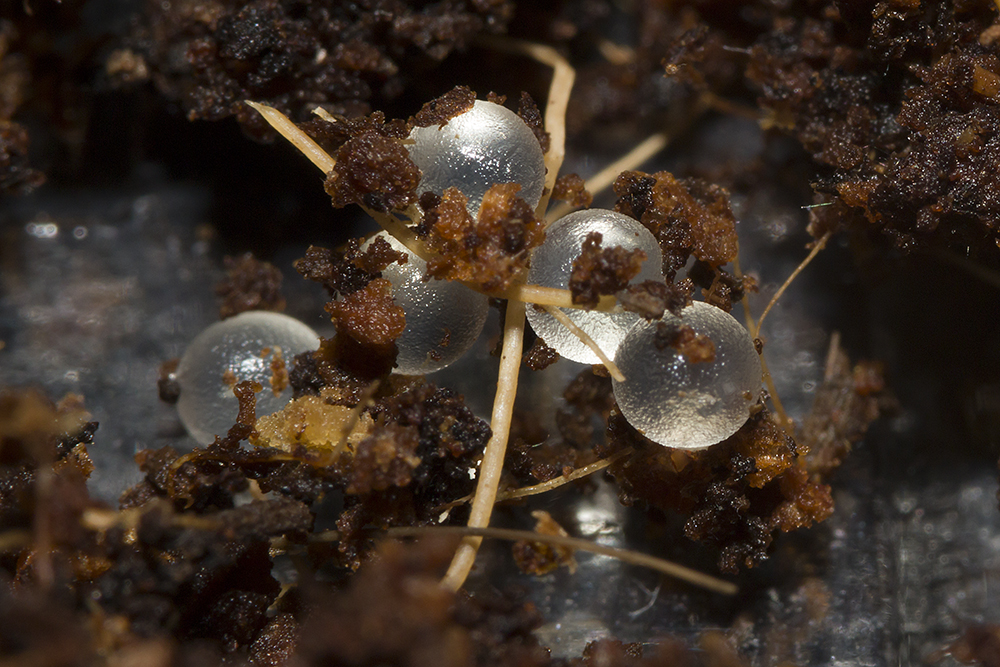
A lot of series of my project are planned, but sometimes they can come as a surprise. The new series, I’m hoping to work on in the next couple of weeks, is a good example of this; I found some mysterious eggs in my garden. They seem to be gastropod eggs, but I’m not sure if they are from a snail or a slug. The exact species is even more of a mystery at this point. Read more

Growing at a different pace

The same age, but not the same size

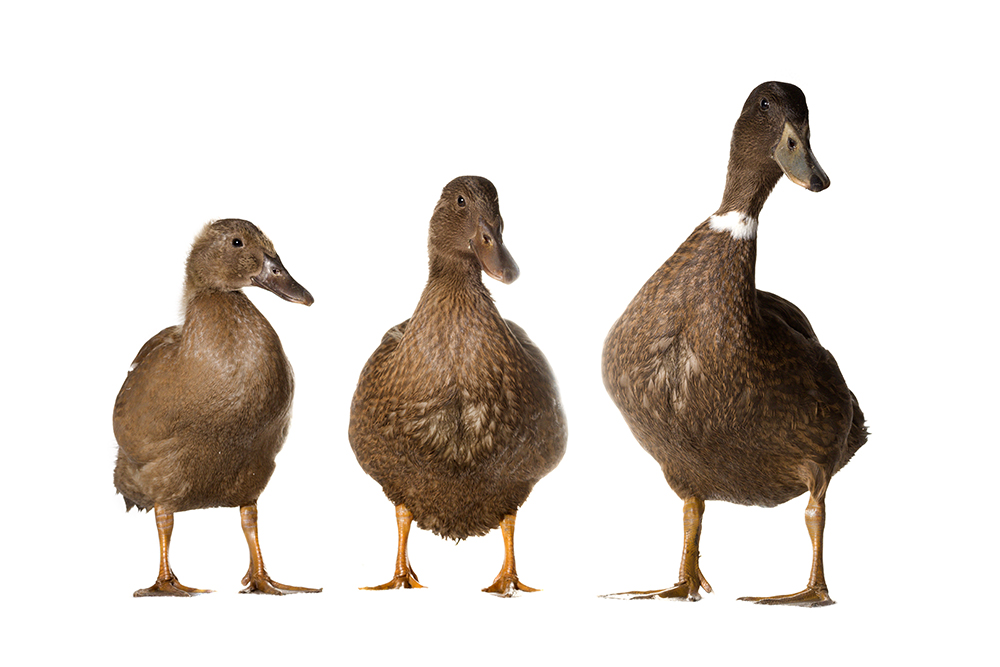
For the Development project, I document the growth and development of different animal species. But does that mean that all animals of a certain species grow the same way? There is only one clear answer to that question; ‘no’. I’m documenting the development of a certain individual of an animal species under a specific set of circumstances, because just as us humans, animals don’t all grow at the same pace. Read more

The complicated caterpillar

Creating series for Development is challenging in several ways; I’ve written blogs before about big or really small animals, but in my opinion, the biggest challenge has to be animals that go through a big transformation, like some insects (caterpillar to butterfly or larvae to beetle) or amphibians. With these series, timing is of the essence; you want to illustrate the whole process as clearly as possible, without missing any important stages. This also applies to the newest insect species of Development, the Fox moth – Macrothylacia rubi. Read more

How to photograph a newborn calf against a white background?

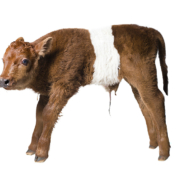
This week, I faced a new challenge; photographing a newborn calf. Earlier, I wrote a blog about shooting really small animals and how I do this, but what happens if an animal is already quite large at birth? So far, the largest animal was the Dutch pied goat, and she just barely fitted on my standard table-top set-up. That obviously wasn’t the case with the calf, so I had to come up with a new plan. Read more

Pesticides on new garden plants; a disaster for insects

Elephant hawk moth

Elephant hawk moth

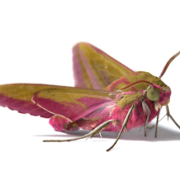
One of the problems I had to deal with lately, is finding the right food plants for certain animals, especially insect species. I have some plants in my garden, but when the animals require a specific plant, which is not really common, the only option is to buy one at for example a garden center. Unfortunately, that isn’t always a solution, as I experienced this last week. Read more

Not every aphid is the same

The aphids I bought as ´pea aphids.´

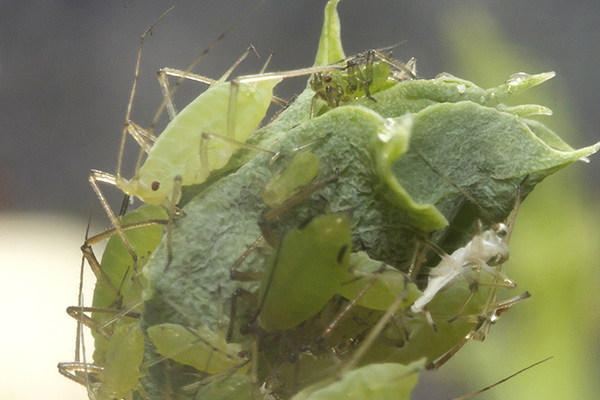
One of the species I would really like to add to the Development project for a while now, is a ladybug. A few years ago, I attempted to follow their growth and development, but I ran into all kinds of problems; a lens that couldn’t magnify enough and escaping aphids. Later, I encountered the same problems with other series and found suitable solutions, so this year I wanted to give it another try. It turned out that caring for ladybug larvae isn’t as easy as it seems. Read more

The little gecko, that almost died

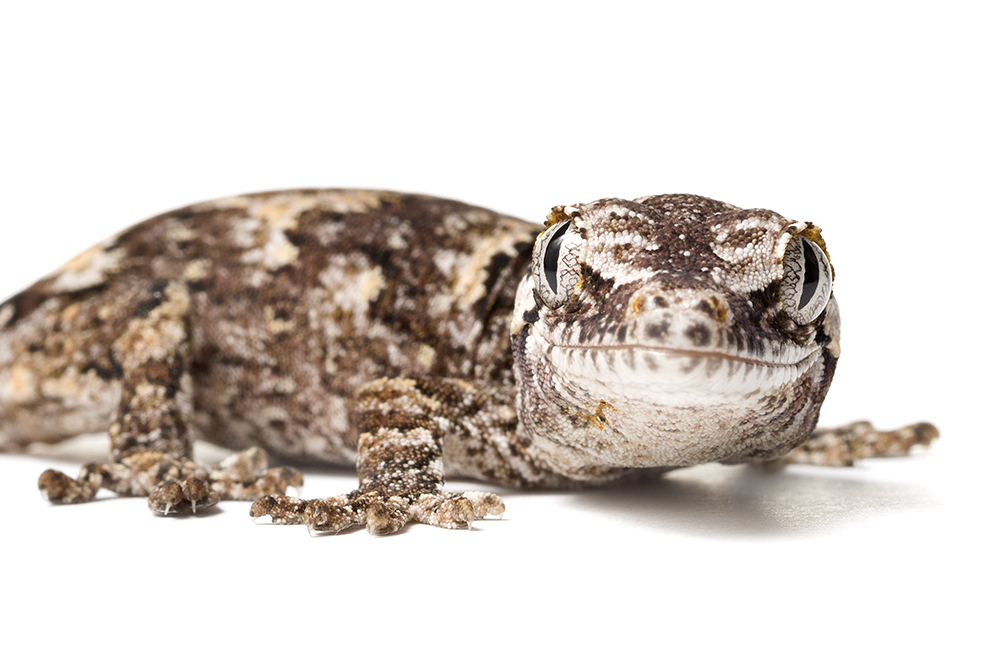
For most people, taking care of baby animals is a great thing to do. Generally speaking, it is, but sometimes things can go horribly wrong. Not all newborn animals are completely healthy, and some of them don´t survive. This almost happened to the baby Gargoyle gecko I´m following for the Development project at the moment. Fortunately, I can say ´almost’, because in the end I was able to save it. Read more

Development in 2019 and 2020

Today is the last day of 2019, and that’s always a good moment to look back at the last 12 months. It has been a very good year for the Development project, with lots of new series and highlights such as a great exhibition in the Rotterdam Museum of Natural History and the Cultuurprijs 2019 (award for Cultural projects) of the Gemeente Zuidplas (the town I live in). For the new year that’s about to start, 2020, there are already some big plans. Read more